
"Mexico sun coffee"
900 article(s) found
What is Shadow Coffee? Basic knowledge of boutique coffee
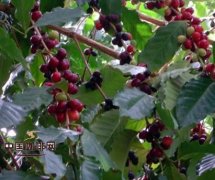
Shaded coffee is coffee that grows in the shade of the awning (shade is formed by local mixed trees). Traditional Arabica coffee grows in shady places in Mexico, Central America, Colombia, Peru and Venezuela and other countries of the world, including India and Indonesia, as well as many parts of Africa. Other Arabica coffee grows in sunny or near-sunny areas. Because of this

Coffee basic knowledge what is Shadow Coffee?
Shaded coffee is coffee that grows in the shade of the awning (shade is formed by local mixed trees). Traditional Arabica coffee grows in shady places in Mexico, Central America, Colombia, Peru and Venezuela and other countries of the world, including India and Indonesia, as well as many parts of Africa. Other Arabica coffee grows in sunny or near-sunny areas. Because of this

Processing of high-quality coffee beans processing coffee beans by washing
Washing method: good gloss, less foreign body mixed, slightly better sour taste, Colombia, Mexico, Guatemala use this method. Disadvantages: poor handling of time will produce bad smell and special sour smell. The picked coffee cherries, including freshly ripe, overripe, and unripe ones, are all mixed together. If you don't deal with these coffee cherries separately,

What is Shadow Coffee?
Shaded coffee is coffee that grows in the shade of the awning (shade is formed by local mixed trees). Traditional Arabica coffee grows in shady places in Mexico, Central America, Colombia, Peru and Venezuela and other countries of the world, including India and Indonesia, as well as many parts of Africa. Other Arabica coffee grows in sunny or near-sunny areas. Because of this

What is Shadow Coffee?
Shaded coffee is coffee that grows in the shade of the awning (shade is formed by local mixed trees). Traditional Arabica coffee grows in shady places in Mexico, Central America, Colombia, Peru and Venezuela and other countries of the world, including India and Indonesia, as well as many parts of Africa. Other Arabica coffee grows in sunny or near-sunny areas. Because of this
Processing of coffee beans: washing (wet method)
Washing method: good gloss, less foreign body mixed, slightly better sour taste, Colombia, Mexico, Guatemala use this method. Disadvantages: poor handling of time will produce bad smell and special sour smell. The picked coffee cherries, including freshly ripe, overripe, and unripe ones, are all mixed together. If you don't deal with these coffee cherries separately,
Washed coffee El Salvador Ataisi Manor micro-batch washing Pacamara Pacamara boutique
Water washing (wet method) washing: good gloss, less foreign body mixed, slightly better sour taste, Colombia, Mexico, Guatemala use this method. Disadvantages: bad time can produce a bad smell and a special sour taste. Coffee cherries are picked, including freshly ripe, overripe, and immature, all mixed together. If you don't put these coffees

El Salvador Elephant Bean San Leticia Manor Coffee Brand Flavor
El Salvador Elephant beans San Leticia Manor Coffee Brand Coffee seed: 100% Arabica Coffee beans, treatment method: washed and tanned Coffee varieties: Bourbon Particle size Distribution: moisture content 10.48 plus or minus 0.5% (5 repeats) Raw Bean proportion 1.15 plus or minus 0.15g/CM3 judge: Mr. Xu Guozhi, Evaluation roaster: Mr. Zhang Bocheng judgment: Mr. Guo Weiping, Zhang Wen
Guatemala Coffee production area of Central and South America
Full-bodied and fruity, with aromas of spices and tobacco. Lots of alively fruity kind of acidity distinctive aroma, spicy / smokey flavor good body. Antigua is bordered by Mexico in the north. Like Tarasu in Costa Rica, located in Antigua, southwest of Guatemala, coffee is grown on the slopes of the hinterland of the volcano.
Coffee bean processing method: Coffee bean processing washing wet method Detailed introduction
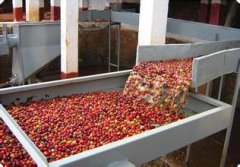
Washing method: good luster, less foreign matter mixed, sour slightly better, Colombia, Mexico, Guatemala using this method. Disadvantages: bad timing can produce odor and special sour taste. The coffee cherries that are picked include just ripe, overripe, and unripe cherries, all mixed together. If we don't separate these coffee cherries
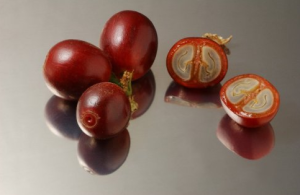
Treatment of raw coffee beans after being plucked from trees: introduction to three treatment methods of raw coffee beans
Dry process introduction (sun processing drymethod) drying method: with soft sour taste and mild bitter taste. This method is used in Brazil, Ethiopia and Yemen. Disadvantages: vulnerable to weather, defective beans and foreign bodies are more likely to mix. Process: coffee is either dried naturally on the patio, or dried by machine, or both. The method of treatment is

What is the meaning of making coffee beans by washing? introduction to the method of flavor description and taste treatment
Introduction to the taste classification of ▼ coffee beans: sour mocha, Hawaiian sour coffee, Mexico, Guatemala, Costa Rica high real estate, Gillimanjaro, Colombia, Zimbabwe, El Salvador, Western Hemisphere washable premium new beans. Bitter Java, Mantenin, Bogota, Angola, Congo,

Beautiful sweetness of El Salvador Himalayan boutique coffee beans grind degree treatment method of baking degree
Central American countries generally distinguish quality grades by altitude, such as Costa Rica, Guatemala, Mexico, Honduras and other countries. Similarly, El Salvador is graded by altitude. At high altitudes, due to the cold climate and slow coffee growth, the density of raw beans will be higher, the hardness will be stronger, and the unique sour feeling of Arabica will be more.

A brief introduction to the market price of El Salvador Himalayan boutique coffee beans with excellent balance
Central American countries generally distinguish quality grades by altitude, such as Costa Rica, Guatemala, Mexico, Honduras and other countries. Similarly, El Salvador is graded by altitude. At high altitudes, due to the cold climate and slow coffee growth, the density of raw beans will be higher, the hardness will be stronger, and the unique sour feeling of Arabica will be more.

The cultivation of El Salvador Himalayan boutique coffee beans with lasting richness in Huiyun, geographical location and climate
Salvadoran coffee, like other typical island beans, is well-balanced, soft and good in texture. Central American countries generally distinguish quality grades by altitude, such as Costa Rica, Guatemala, Mexico, Honduras and other countries. Similarly, El Salvador is graded by altitude. Due to the cold climate in high altitude areas

A brief introduction to the Market Price of El Salvador Himalayan Fine Coffee Bean varieties with good quality
Central American countries generally distinguish quality grades by altitude, such as Costa Rica, Guatemala, Mexico, Honduras and other countries. Similarly, El Salvador is graded by altitude. At high altitudes, due to the cold climate and slow coffee growth, the density of raw beans will be higher, the hardness will be stronger, and the unique sour feeling of Arabica will be more.

Costa Rican Coffee | Blue Volcano Manor Sun Kaddura Flavor introduction
Costa Rica Blue Volcano Manor Sun Kaddura Origin: Costa Rica, Alajuela Farm: blue Volcano Manor Volcan Azul quality Controller: Alejo Castro Variety: Kaddura planting altitude: 1650-1800 masl processing method: sun flavor: light floral aroma and strong juice, bright and clean acidity, with tropical fruit tone

Introduction to the regional treatment method of El Salvador Mercedes coffee bean flavor description, grinding scale production
Salvadoran Mercedes coffee bean flavor description grinding scale production area treatment method Salvadoran coffee ranks side by side with Mexico and Guatemala as the producer of Asa and Merdo, and is fighting for the top one or two places in China and the United States with other countries. The highlands of origin are large coffee beans of all sizes, which are fragrant and mild in taste. Like Guatemala and Costa Rica, sa

The coffee flavor of Incht Manor in Guatemala with a slight floral scent describes the characteristics of fine coffee in the producing area.
Of the three major non-volcanic coffee-producing regions in Guatemala, the Weitango Highland has the driest climate and the highest elevation. The dry and hot wind from Mexico's Tehuantepec plateau protects the area's coffee from frost and can be grown to 2000 meters (6500 feet). Because of its remote location, all coffee farmers have to process their own coffee.
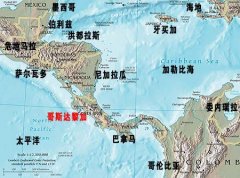
Coffee's third world--China and America
Friends who like coffee know Africa because of Ethiopia, know South America because of Brazil, enter the Caribbean Sea because of Blue Mountain, yearn for Hawaii because of Kona. Of course, these are coffee paradise that coffee friends have to know, but there is also a team that is neither old nor novel enough, but it is coffee belt, especially fine coffee.